Rusty Typewriter: Unleash Raw, Vintage Character in Your Designs
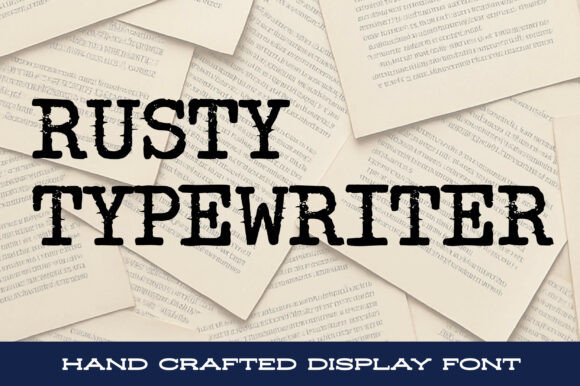
There's a particular magic in the clatter of an old typewriter—the uneven strike of a key, the subtle imperfection of ink on paper. It’s a sound and a texture that feels deeply human, telling a story of work, thought, and time. The Rusty Typewriter font captures this essence digitally. It’s not a clean, sterile typeface; it’s a gritty, vintage-inspired sans serif that feels like it was pulled from a dusty attic or a noir detective's case file. Each character carries the weight of its analog origin, with rough edges, uneven ink impressions, and charming misalignments that modern, polished fonts deliberately avoid.
This isn't just a font; it's a mood. Rusty Typewriter is a premium font designed for projects that need soul, texture, and a touch of nostalgic imperfection. It’s the visual equivalent of a worn leather jacket or a faded postcard—immediately setting a tone that is authentic, rugged, and full of story. For designers, entrepreneurs, and creators, it offers a powerful tool to break away from the sterile and connect on a more visceral level.
Where Analog Character Meets Modern Application
The strength of Rusty Typewriter lies in its versatility for evoking specific atmospheres. It’s a display font, meaning it shines brightest in headlines, logos, and short bursts of impactful text. Think of a bold, gritty headline for a mystery novel cover that immediately promises suspense. Consider the title sequence for an indie film or a podcast about unsolved mysteries—this font sets the stage before a word of the narrative is spoken. It’s equally at home in grunge posters, band merchandise, or album art for genres that prize raw energy.
For branding, especially for small businesses and entrepreneurs, this typeface can be a secret weapon. A craft brewery, a vintage clothing store, a coffee roaster with an industrial edge, or a bespoke leather goods maker could use Rusty Typewriter in their logo design and packaging to instantly communicate a brand identity rooted in craftsmanship, authenticity, and a hands-on ethos. It moves beyond mere retro branding into something more textured and believable. In editorial design, it can pull readers into a specific time period or narrative style, perfect for chapter headings in a historical fiction piece or as a stylized pull quote in a magazine article about forgotten art forms.
Mastering the Mechanics: Practical Font Pairing and Usage
Using a character-rich font like Rusty Typewriter effectively requires a thoughtful approach. Its power is in its personality, but that can overwhelm if overused. The key is balance and contrast. A classic and highly effective strategy is to pair it with a clean, neutral serif font or a simple sans serif font for body copy. This creates a clear visual hierarchy where the Rusty Typewriter commands attention for headlines, while the secondary font ensures long-form text remains highly readable. For example, pairing it with a font like Lora (serif) or Open Sans (sans serif) lets each typeface play to its strengths.
Always test your font pairing in context. How does the headline look above a paragraph of body text? Does the texture of the typewriter font clash with or complement the imagery in your design? Remember, its imperfect style means it’s best suited for larger sizes where its details are visible and impactful. At very small sizes, the rough edges can reduce readability, so it’s wise to avoid using it for lengthy captions or legal disclaimers.
From Digital to Print: Ensuring Consistency and Impact
Whether you’re working on web design, social media graphics, or printed materials, Rusty Typewriter delivers a consistent, rugged style. In digital applications, it can make a website header or a call-to-action button feel tactile and engaging, cutting through the noise of sleek, modern typography. On social media, it helps posts stand out in a feed, particularly for quotes, announcements, or promotions that aim for an authentic, handmade feel.
In print, the font truly comes alive. It’s exceptional for packaging design, where texture and feel are paramount. Imagine it on a label for artisanal hot sauce or a box for handmade candles. It adds immediate perceived value and character. For scrapbook aesthetics or DIY projects, it provides that perfect, imperfect touch that makes a design feel personal and crafted. Before finalizing any project, always review the full character set of your chosen creative font. Rusty Typewriter typically includes a range of punctuation, numerals, and symbols, ensuring you have the complete toolkit for your design assets.
A Final Note on Licensing and Professional Use
As with any commercial font, understanding the license is crucial for professional work. Ensure you have the appropriate license for your specific use case, whether it’s for a client’s logo design, a product you plan to sell, or a personal blog. This isn’t just about legality; it’s about respecting the craft of the type designer who created this tool for you. By choosing a well-crafted premium font like Rusty Typewriter, you’re investing in a design asset that can elevate your work, tell a richer story, and create a memorable connection with your audience—one authentic key press at a time.