Valentine Rose: A Dingbat Font for Creative Elegance
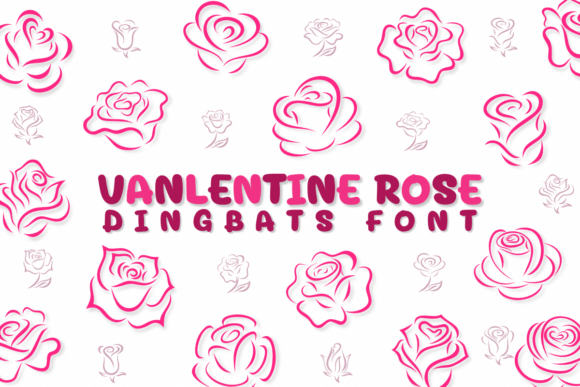
When a project calls for a touch of romance that feels authentic rather than saccharine, the right design asset makes all the difference. Valentine Rose isn't a traditional typeface for setting body text. It's a specialized dingbat font, a collection of ornamental rose motifs ready to be deployed as design elements. Think of it as a curated library of floral illustrations accessible directly from your keyboard. Each glyph represents a unique rose design, offering versatility that static clip art cannot match. For designers and creators, this approach transforms typography into a decorative toolkit.
Understanding the Font's Visual Character and Style
The personality of Valentine Rose is distinctly illustrative and organic. The rose designs range from simple, clean outlines to more detailed, shaded renderings, providing a spectrum of formality. This isn't a serif font or sans serif font for reading; it's a display font in its purest form—meant for visual impact, not paragraph text. Its appeal lies in its ability to convey classic romance, botanical elegance, and a handcrafted sensibility. The style bridges the gap between modern typography and timeless floral art, making it adaptable to both contemporary and vintage-inspired projects. When you type a character, you're not getting a letter; you're stamping a rose onto your canvas.
This creative font influences visual hierarchy immediately. A single rose glyph can act as a powerful accent, drawing the eye without the need for complex illustrations. Its consistency across the entire character set ensures that whether you use one rose or create a border of twenty, the style remains harmonious. This built-in cohesion is a major advantage for maintaining brand identity across multiple touchpoints. The font's inherent elegance can elevate perceived professionalism, suggesting attention to detail and a curated aesthetic. For audience engagement, these familiar floral symbols tap into deep-seated associations with love, beauty, and celebration, making communications feel more personal and resonant.
Strategic Applications Across Projects
The true value of a premium font like Valentine Rose is realized in its application. Its strength is in specialization, making it a powerful tool for specific contexts rather than a universal solution.
- Wedding and Event Stationery: This is its natural habitat. Use the glyphs for monograms, corner decorations, dividers on menus, or as a recurring motif on save-the-dates and thank-you cards. Paired with a clean script font for text, it creates a complete and sophisticated stationery suite.
- Branding and Logo Design: For businesses in the floral, wedding, beauty, or boutique gifting industries, the roses can become a core brand element. A single, well-placed glyph in a logo or as a secondary brand mark can instantly communicate the business's niche and values. It's a shortcut to visual storytelling.
- Packaging and Product Design: Imagine a candle label, a chocolate box, or a perfume carton adorned with these rose icons. It adds a layer of perceived value and artisanal quality, crucial for packaging design in competitive markets.
- Digital and Editorial Design: In web design, use the roses as custom bullet points, section dividers, or decorative elements in headers. For editorial design, they can enhance chapter headings or scene breaks in romance novels, lifestyle magazines, or blog graphics. Social media graphics for holidays like Valentine's Day or Mother's Day become effortlessly charming.
- Crafting and DIY: The font is a perfect design asset for hobbyists. Use it with a cutting machine for vinyl decals on gifts or home decor, for stamping on handmade cards, or as templates for embroidery patterns.
Practical Guidance for Effective Use
Integrating any specialized typeface requires thoughtful evaluation. Here’s how to approach Valentine Rose.
Testing and Pairing is Crucial. Never use a dingbat font in isolation. Always test how the rose glyphs interact with your primary text font. A highly ornate rose might overwhelm a delicate handwritten font. Conversely, a bold, modern rose might clash with a traditional serif. Create mockups to see the pairing in action. The goal is balance—the roses should complement, not compete with, your message.
Evaluate Project Fit. Ask yourself if the project's tone aligns with the font's romantic and decorative nature. It would be perfect for a bakery's branding but likely inappropriate for a law firm's annual report. The context must justify the aesthetic.
Consider Readability and Hierarchy. Remember, this is not for body copy. Its role is decorative. Use it sparingly to create focal points. Overuse will clutter your design and dilute its impact. A single, beautifully placed rose can be more powerful than a dozen scattered ones.
Review Licensing and Styles. As a commercial font, understanding the license is non-negotiable. Ensure it covers your intended use, whether for personal DIY projects or commercial client work. Also, explore all the included glyphs. A good dingbat font offers variety in orientation, detail level, and style, giving you more creative flexibility.
Ultimately, Valentine Rose is more than just a set of pictures. It's a strategic design asset that, when used with intention, can infuse projects with a specific, powerful emotion. It solves the practical problem of sourcing consistent, high-quality floral graphics, putting them directly at a creator's fingertips. For the designer, entrepreneur, or crafter, it represents a focused tool for adding a layer of polished, romantic elegance that resonates with audiences and elevates the final product.